
Guide · September 2026
Why boat trailer tires blow out with plenty of tread left
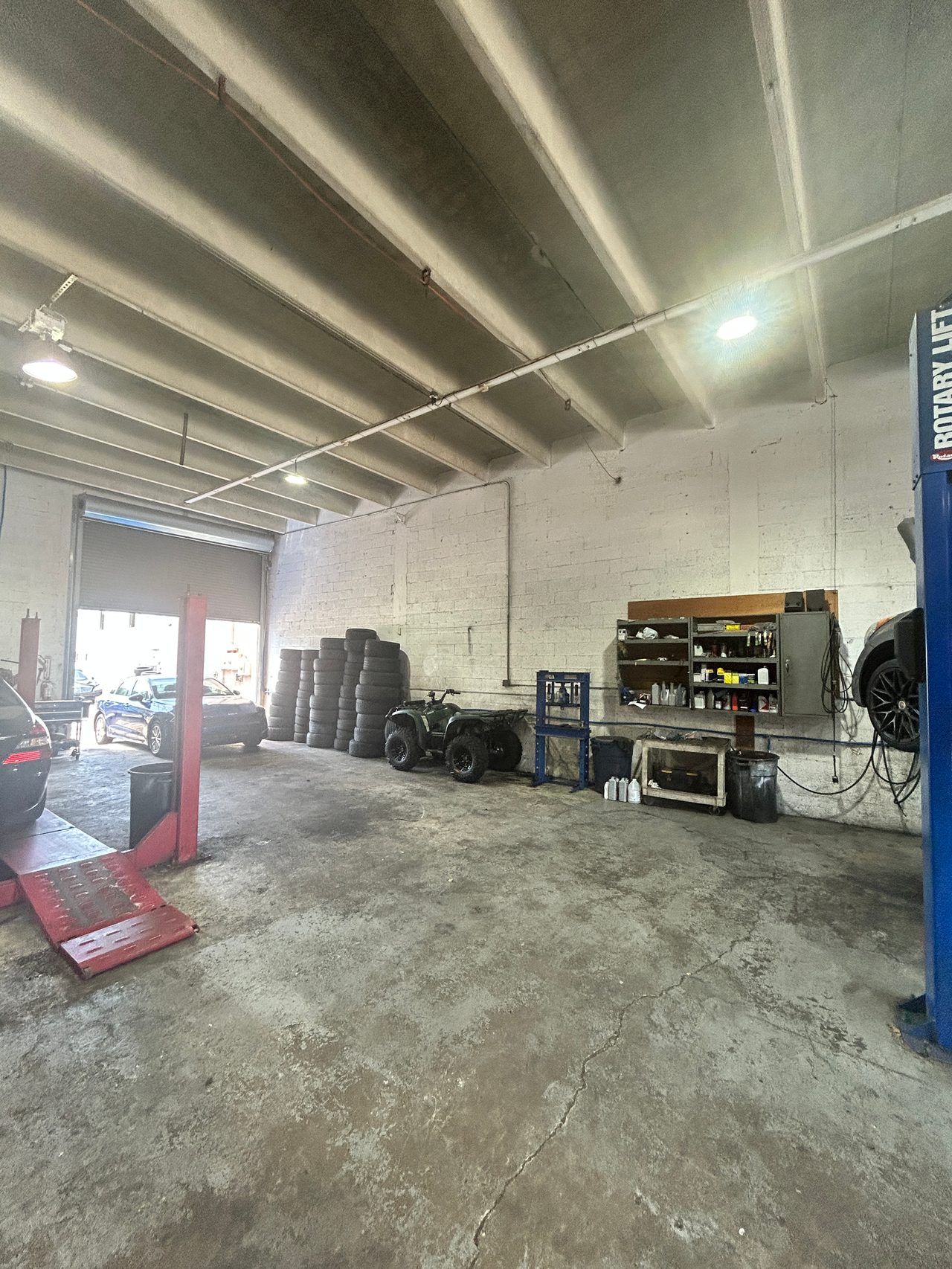
We are about a mile from the Hillsboro Inlet, and every summer we see the same thing: a boat trailer tire that looked fine at the house lets go on the way to the ramp. The owner is always surprised, because the tread was deep. The tread was never the problem.
A trailer tire ages out before it wears out
A car tire rolls every day and wears its tread down long before the rubber gets old. A boat trailer does the opposite. It sits still for weeks, often in full sun, with the whole weight of the boat pressing on the same few inches of each tire. It might cover a few hundred miles a year.
Heat and UV break down the rubber from the inside and the outside at the same time. Sitting under a static load flattens the same spot again and again. The sidewall is where it shows first, and it is also where a trailer tire fails, usually at highway speed with the boat behind you. That is why a trailer tire with plenty of tread can still blow out.
How to read the date on your trailer tires
Every tire has a DOT code molded into the sidewall. The last four digits are the week and year it was made. A tire ending in 2319 was made in the 23rd week of 2019. If the code ends in three digits, the tire was made before 2000 and should not be on the road at all.
The date is sometimes on the inside face of the tire only, which on a trailer means lying on the ground with a flashlight. If you would rather not, bring the trailer in and we will read every tire, the spare included.
Signs a trailer tire is done
- It is over five years old by the date code, whatever the tread looks like
- Fine cracks in the sidewall or around the bead
- It goes soft between trips
- A bulge or flat spot you can see or feel
- The trailer has sat for weeks at a time, season after season
Why car tires do not belong on a boat trailer
A proper trailer tire is marked ST, for special trailer. It is built with stiffer sidewalls to carry weight and to stop the trailer swaying behind you. A passenger car tire is built for grip and comfort, and it flexes in a way that works against you on a loaded trailer. We fit ST rated tires on trailers, and we do not recommend putting car tires on one.
Load range and pressure matter more than the brand
The size is on the sidewall of the tire that is on there now, and the trailer's own plate lists its rated capacity. The tires together need to carry the loaded weight of the trailer and the boat, with margin. We check the load range against what you actually tow, not just what fits the wheel.
Set the pressure cold, before you leave, to the figure on the trailer's plate or the tire's sidewall. An underinflated trailer tire runs hot, and heat is exactly what kills them. A tire that is low every time you check it is telling you something too.
Before the season, or before a long haul
- Read the date code on every tire, including the spare
- Look for sidewall cracks and bulges
- Set all pressures cold to the plate
- Check the load range against the boat you are actually towing
- If the trailer lives outside, cover the tires between trips to keep the sun off
If you would like a second pair of eyes, bring the trailer to the shop on NE 26 Court. We read the date on every tire, check the load range against what you tow, set the pressures cold and check the spare while it is on the lot. Walk ins are welcome.
Boat and utility trailer tires: Trailer tires age out before they wear out. We carry proper ST rated tires.